

Evaluate Treatments Quantitatively
Easily build healthcare models to influence health policy with TreeAge Pro
Why Invest in Our Healthcare Modeling Software?
Effective healthcare modeling tools provide critical insights for evaluating the costs and benefits of medical interventions. These tools enable healthcare professionals to analyze data and build reliable predictive models. Health economic modeling enables healthcare providers to evaluate the financial sustainability of treatment plans while maintaining optimal patient outcomes. Here are just a few of the benefits:
- Employ powerful decision analysis tools to assess a variety of clinical scenarios.
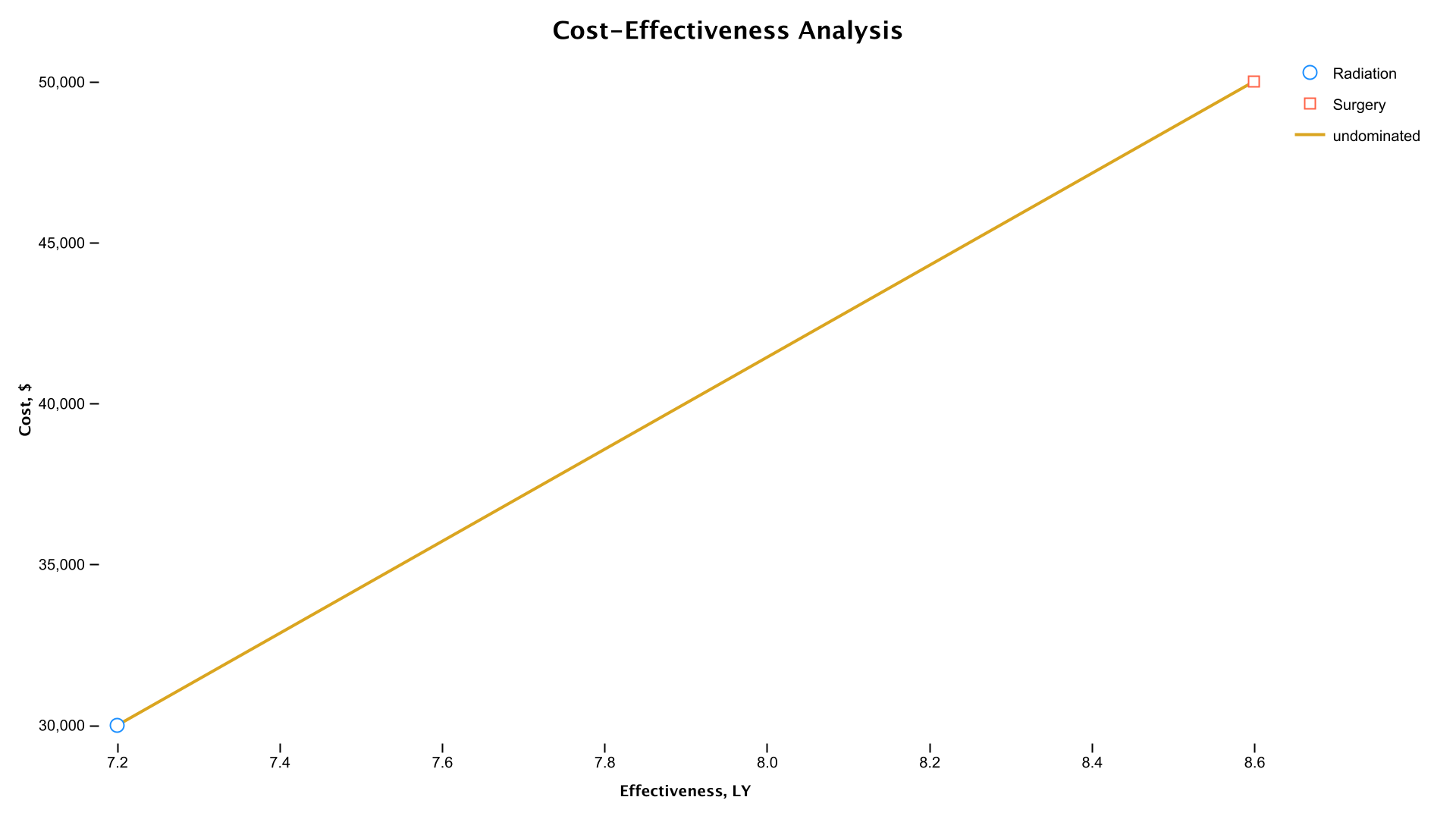
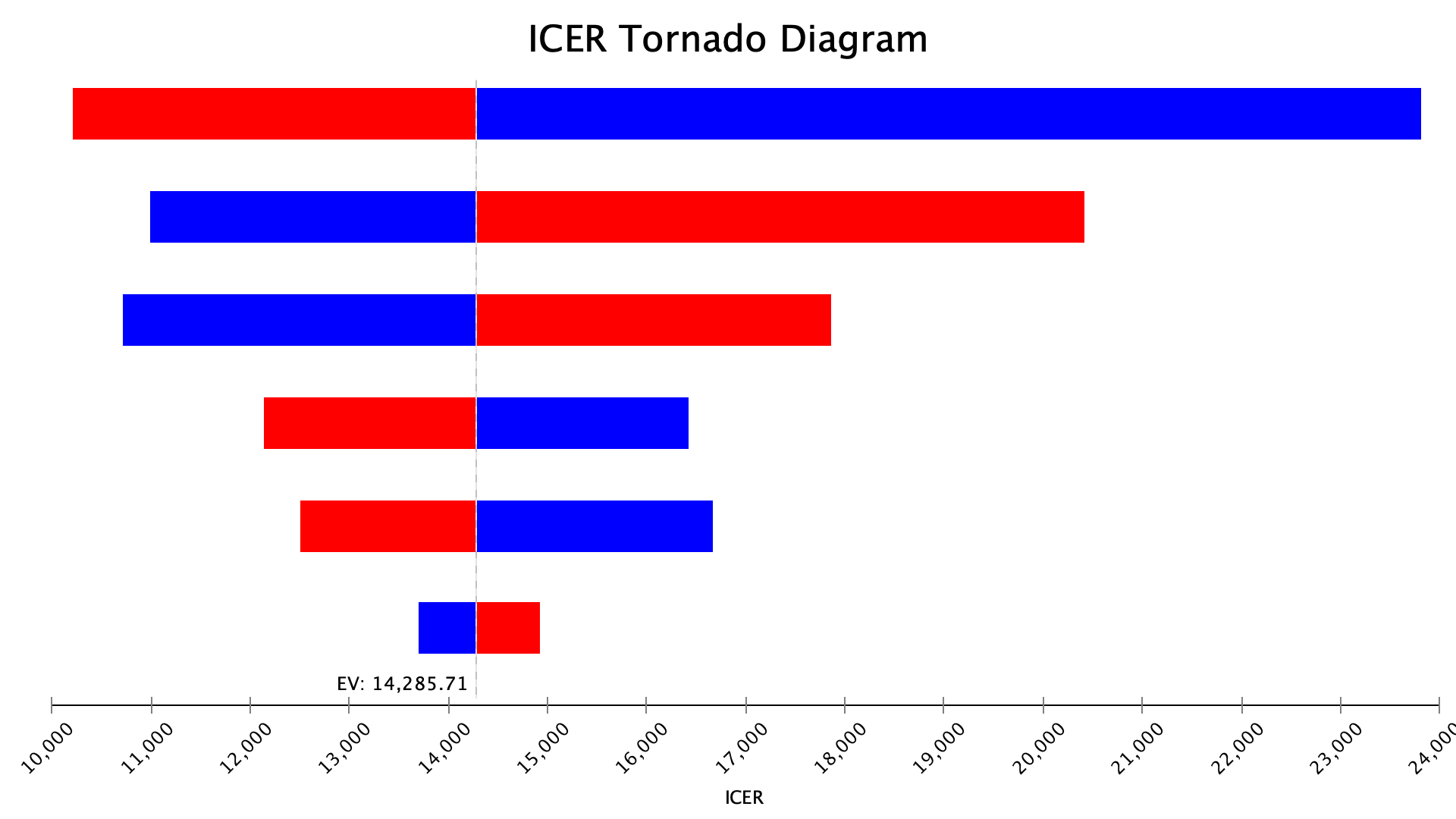
- Conduct detailed cost-effectiveness analysis to evaluate financial impacts and treatment efficiency.
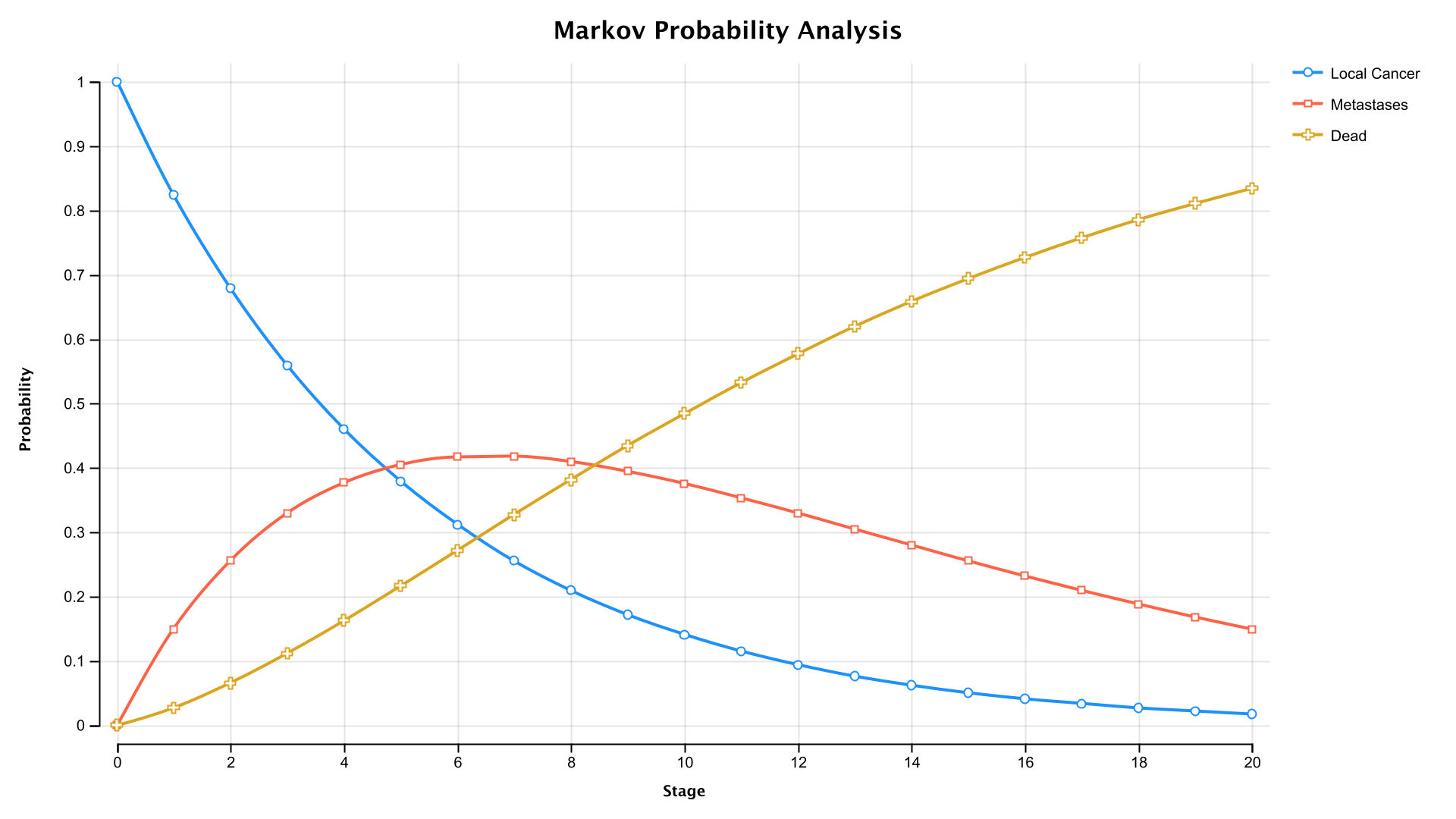
- Leverage robust Markov model software for long-term patient outcome predictions.
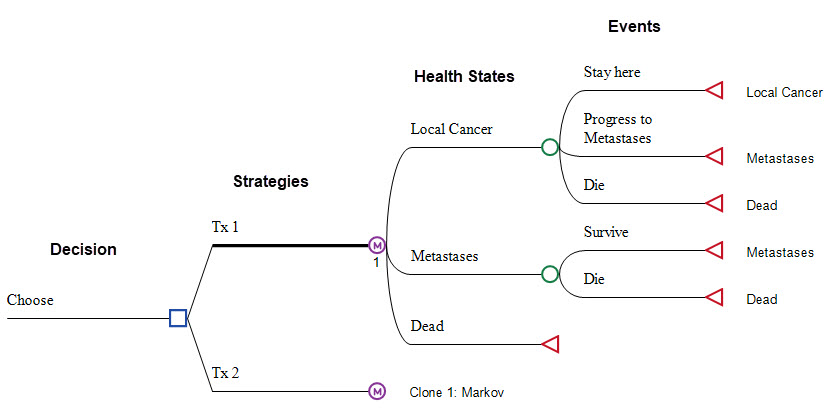
- Simplify complex pathways with accurate medical decision trees to support evidence-based care.
By combining advanced algorithms with real-world applications, data modeling ensures healthcare decisions are both effective and efficient.
Optimize with Our Medical Decision Tree Tools
Streamline your healthcare strategies with cutting-edge healthcare modeling and decision tree tools that cater to diverse medical needs. Utilize our healthcare data analysis software to align treatments with budgetary goals while improving patient outcomes. By integrating real-world data, health economic modeling helps identify cost-effective solutions that align with both clinical and budgetary goals. Explore our Pro Healthcare solutions, designed to address the unique challenges of modern healthcare systems. We also offer legal decision tree solutions. For additional support, contact us to discover how our software can transform your decision-making processes. Purchase our healthcare modeling tools today and enhance the way you approach critical healthcare decisions.
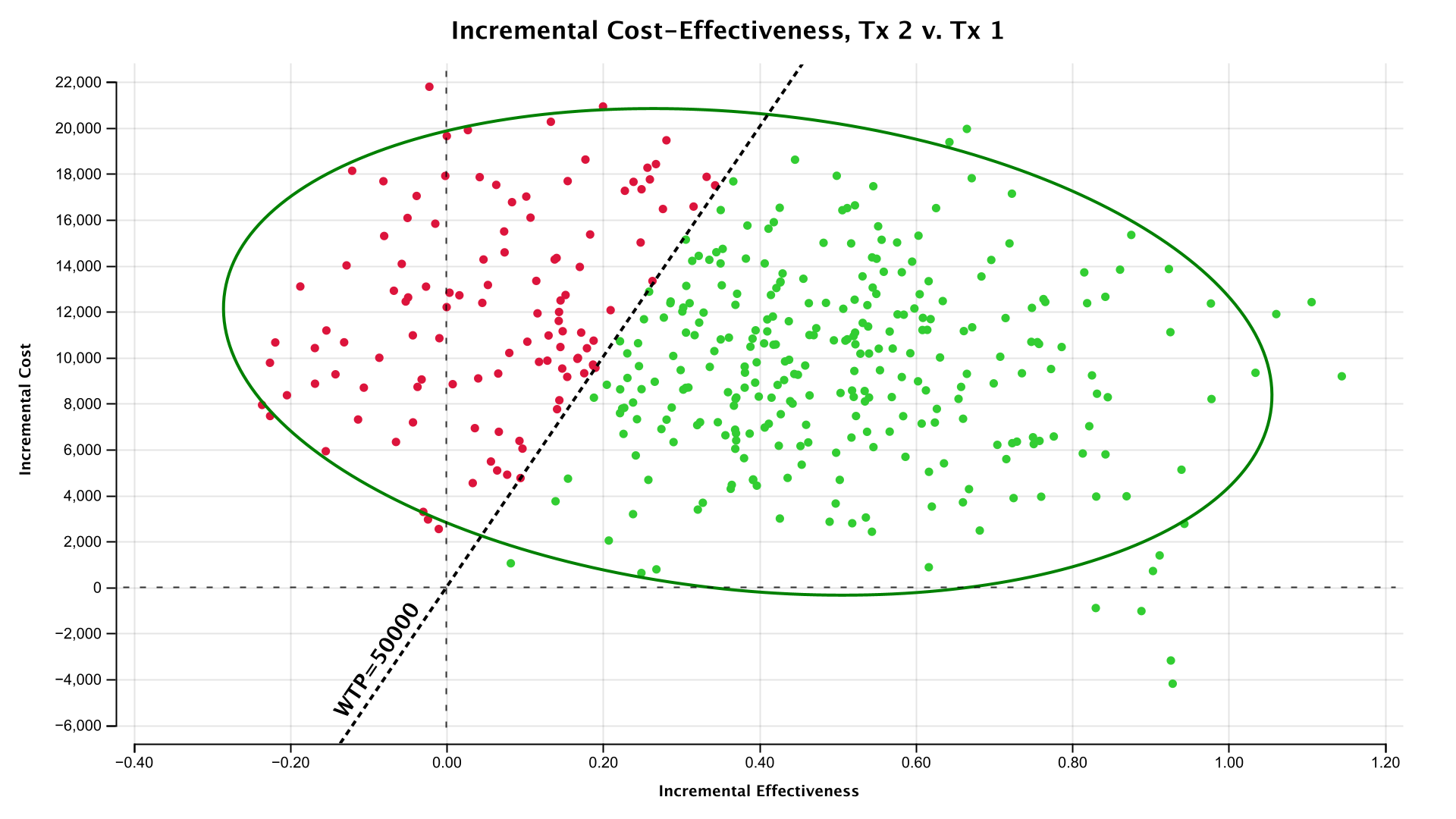
Model Complex Diseases with Patient Simulation
- Expand model capabilities by running simulated patients through your model.
- Add patient characteristics for heterogeneity.
- Add patient history to impact future events, costs and utilities.
- All based on the original Markov model structure.
- Use patient-level and cohort-level reporting to validate pathways and examine disease progression.